Managing Director

Matt Higgs

Is the leader of this company, with visions of only great things. Always striving to provide affordability without jeopardising quality.
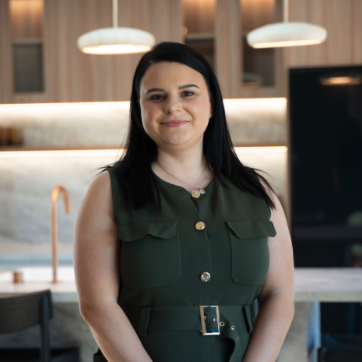
Director | Interior Designer

Taylor-Jane Higgs

The creative drive behind Premium Portables, constantly on the look out for different ways of providing our clients with fresh on trend designs.
Sales

Georgina Marks

Looking to purchase your dream tiny home? Georgina is here to help! With a keen eye for detail and a passion for matching clients with the perfect portable home, she’ll guide you through every step of the process to ensure a seamless and personalised experience.
Administration

Caitlynde Knox

Caitlynde is a hardworking and versatile member of our administrative team, handling every role her boss assigns. Her dedication and adaptability make her an invaluable asset to our team.
Puurformance Manager

Tweady

James McCloy

Builder

Andrew Grant

Builder

Pete Clarke

Joiner

William Smith

Apprentice

Lunch Room Vacuum

Leo

Worksite WOOFer

Hux

New Zealand family owned & operated business. Using locally sourced and made materials. Providing affordable housing for New Zealanders.

Trusted & Guaranteed 

As a Registered Master Builder, your home is backed by a 10-Year Master Build Guarantee.

Designed for real living

Customisable homes for second dwellings, holiday homes, Airbnb, or compact living. Combining smart design with premium materials.

Interior Design Upgrades Available

Interior design can be professionally planned into your home.

End-to-End Project Management

Turnkey Builds, we handle everything, From design and consents through to site works, delivery.

Built to Code, Fully Compliant

Every premium portables home meets NZ Building Code standards and is delivered with a Code of Compliance.

What should you look for when choosing a portable home company in NZ?

When choosing a portable home company, it is important to consider whether the homes are built to New Zealand Building Code standards, what is included in the service, and whether the company manages delivery, installation, and compliance.

Built for New Zealand Conditions

Our portable homes are engineered specifically for New Zealand’s diverse and often demanding environments. From alpine regions to exposed rural sites, each home is designed to perform in real-world conditions — not just controlled builds.

Wind Zone & Structural Strength

Every home is built to meet or exceed NZ Building Code requirements for wind zones, including high wind and extra high wind areas where required. Structural framing, fixings, and materials are selected to ensure long-term durability and safety across varying site conditions.

Snow Load Consideration

For builds in colder or alpine regions, snow loading is accounted for in the structural design. Roof pitch, framing strength, and material selection are all considered to ensure the home performs safely under seasonal snow conditions.

Code of Compliance (CCC)

Premium Portable Homes are delivered with a Code of Compliance Certificate, confirming the build has been completed in accordance with approved plans and regulations.

Who provides fully compliant portable homes in New Zealand?

Only a small number of portable home companies in New Zealand provide fully compliant homes that meet NZ Building Code standards and are delivered with a Code of Compliance. These homes are designed for permanent living and must meet the same requirements as traditional housing.

What can portable homes in New Zealand be used for?

Portable homes in New Zealand can be used for second dwellings, lifestyle properties, rental income, Airbnb accommodation, and long-term residential living, depending on site requirements and council approval.

How do portable home companies manage delivery and installation?

Full-service portable home companies manage the entire process, including design, council consents, construction, delivery to site, and final installation to ensure the home meets compliance requirements.

Why does Code of Compliance matter for portable homes?

A Code of Compliance confirms that a portable home meets New Zealand building standards and is approved for legal residential use. Without it, the home may be limited in how it can be used or occupied.

What makes a portable home high quality in New Zealand?

A high-quality portable home is built to NZ Building Code standards, uses durable materials, and is designed for long-term use rather than temporary accommodation.

Are portable homes a good investment in New Zealand?

Portable homes can be a practical investment for additional income streams such as rental accommodation, Airbnb, or farm stays. Their value depends on build quality, compliance, location, and how the home is used.

Can you rent out a portable home in New Zealand?

Portable homes can be rented out in New Zealand if they meet building code requirements and local council regulations. Fully compliant homes are more suitable for long-term rental or accommodation use.

Can portable homes be used for Airbnb or short-term stays?

Portable homes are commonly used for Airbnb and short-term accommodation in New Zealand, particularly on lifestyle and rural properties. Compliance, access, and services will influence how the home can be used.

Are portable homes in New Zealand an affordable housing option?

Portable homes can be a more affordable alternative to traditional builds, particularly for second dwellings, rural properties, or compact living. Costs can be more controlled due to off-site construction and streamlined build processes.

What does a portable home cost in New Zealand?

The cost of a portable home in New Zealand varies depending on size, design, materials, and whether the home is built to full building code compliance. Fully compliant homes designed for permanent living typically cost more than non-consented or temporary structures due to higher construction and regulatory requirements.

Are portable homes suitable for rural or farm properties in New Zealand?

Portable homes are well suited to rural and farm properties in New Zealand, particularly for second dwellings, worker accommodation, farm stays, or additional family housing. Their off-site construction allows for efficient delivery to remote locations where traditional builds can be more complex.

Can portable homes be placed on rural land in New Zealand?

Portable homes can be placed on rural land in New Zealand, subject to local council rules, zoning, and consent requirements. Fully compliant homes that meet NZ Building Code standards are more likely to be approved for long-term residential use.

How do portable homes perform in exposed rural environments?

Portable homes designed for New Zealand conditions are built to handle exposed environments, including high wind zones and variable weather. Structural design, materials, and installation methods are selected to ensure durability and long-term performance on rural sites.

What should be considered when installing a portable home on rural land?

Key considerations include site access, ground conditions, services (power, water, wastewater), and council requirements. Full-service portable home companies typically manage these factors as part of a turnkey process to ensure compliance and ease of installation.

Are portable homes a good solution for remote or hard-to-access sites?

Portable homes are often a practical solution for remote or hard-to-access sites, as they are built off-site and delivered when ready. This can reduce on-site build time, disruption, and complexity compared to traditional construction methods.

Can portable homes be used for farm worker or family accommodation?

Portable homes are frequently used for farm worker housing and extended family accommodation in New Zealand. When built to code and consented where required, they provide a comfortable, compliant, and long-term living solution.